



Why the RAM 1500 Laramie Is a Smart Pick for Pennsylvania Winters
Why the RAM 1500 Laramie Is a Smart Pick for Pennsylvania Winters
The Ram 1500 Laramie is one of the smartest trucks you can buy for a Pennsylvania winter. Choose the 4x4, and you get four-wheel drive with configurable drive modes, heated front and rear seats, and a heated steering wheel. Put on a set of winter-rated tires, and it's ready for whatever the roads throw at you.
And around here, winter throws plenty. PennDOT District 12 plows 7,298 snow-lane miles and averages 30 inches of snow a year in the lowlands and 89 inches in the highlands, according to PennDOT's District 12 winter operations update. That's a lot of slushy river-valley grades, unplowed side streets, and icy mornings.
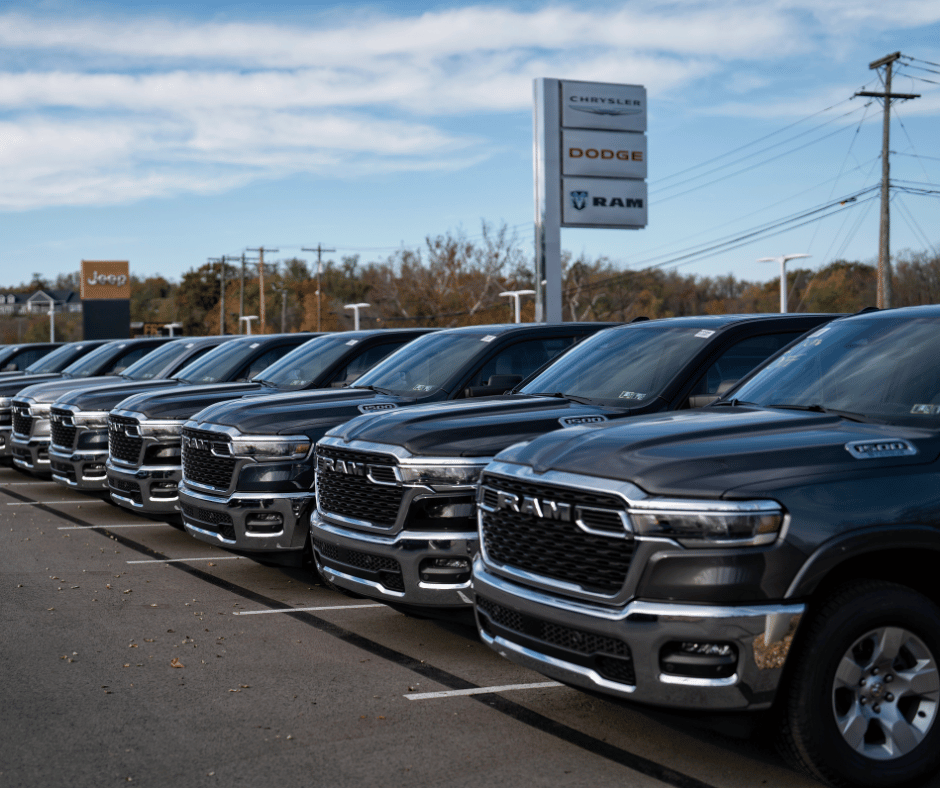
If you're already browsing the Ram 1500 Laramie for sale at C. Harper CDJR Mon Valley in Belle Vernon, this guide walks through what makes the Laramie such a good fit for winter: the features that matter, the two engine choices, why tires still make the biggest difference, and how to pick between new and certified pre-owned.
Is the Ram 1500 Laramie Good in Snow?
Yes, as long as you pick a 4x4. Four-wheel drive sends power to the front and rear axles, so the truck can claw its way up a snow-covered hill or out of a plow ridge at the end of your driveway. The Laramie pairs that capability with a cabin built for cold mornings, which is why it hits a sweet spot between the work-focused Big Horn and the more expensive Limited.
The Laramie makes the most sense if you:
Commute on hilly secondary roads around Belle Vernon, Charleroi, Monessen, or Washington, where plows reach the main routes first
Need a five-passenger crew cab that keeps the whole family warm
Haul or tow through the winter for work, the farm, or weekend projects
Want premium comfort without stepping up to the top trims
When you shop, filter for 4x4. Some Ram 1500 trucks are built with rear-wheel drive (4x2), and those aren't the ones you want for a Western PA winter.
Winter Features That Come With the Laramie
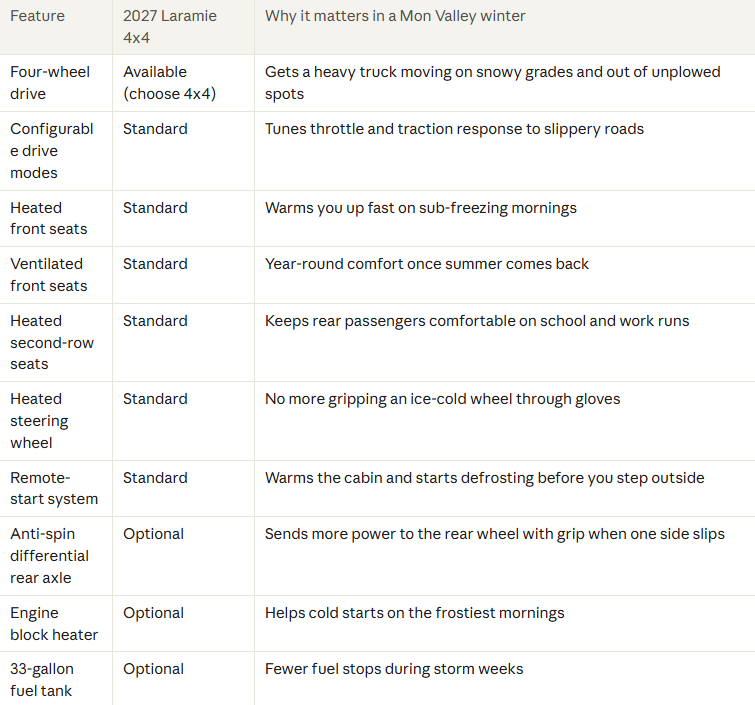
The Laramie earns its winter reputation with comfort and traction features that come standard on this trim but are optional or unavailable on lower trims. Here's how the 2027 Laramie Crew Cab 4x4 lines up, based on Ram's factory window stickers.
4x4 and Configurable Drive Modes
Four-wheel drive is the foundation. On a Laramie 4x4, you can stay in two-wheel drive on dry pavement and engage 4WD when the roads turn white. Use 4WD High for snow-covered roads at normal driving speeds, and save 4WD Low for very slow, deep-snow situations like digging out of a parking spot. The configurable drive modes let you adjust how the truck responds when traction is limited. Check your owner's manual for the exact mode names on your model year.
Heated Seats (Front and Rear) and Heated Steering Wheel
Heated front seats and a heated steering wheel are standard on the Laramie, and so are heated second-row seats. Everyone in the crew cab gets warm, not just the driver.
Remote Start and Cold-Morning Prep
Remote start lets you warm the cabin and get the defrosters working before you head out. Always start your truck outdoors, never in an attached or closed garage, where exhaust can build up; NHTSA's winter driving tips cover this and other cold-weather safety basics. For the coldest mornings, the optional engine block heater keeps the engine warmer overnight so it starts more easily.
Traction Extras Worth Adding
If you drive steep back roads or a long gravel driveway, look for a Laramie with the optional anti-spin differential rear axle. When one rear wheel hits ice and starts to spin, the system helps shift power to the wheel that still has grip. It's a small option that makes a real difference in getting out of slick spots.
Hurricane or HEMI: Which Laramie Engine Fits Your Winter?
The 2027 Laramie comes standard with the 3.0L Hurricane twin-turbo inline-six, and the 5.7L HEMI V8 with eTorque is a factory option. Both pair with an 8-speed automatic, and both have plenty of muscle for snowy hills. Here's how they compare using Ram's published capability figures.
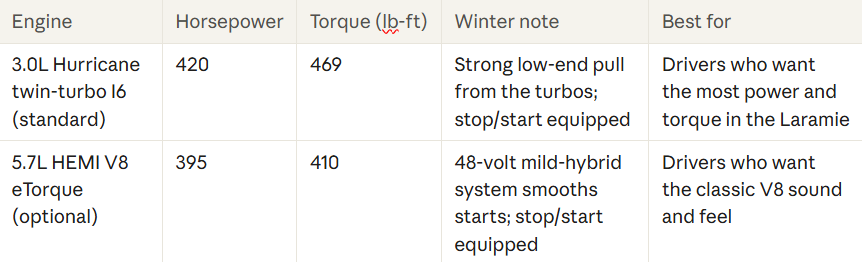
In snow, smooth throttle matters more than peak horsepower. Either engine gives you more than enough power, so the choice usually comes down to personal preference. Want a deeper look at the V8? Read our breakdown of the Ram 1500 HEMI engine's horsepower, towing and MPG.
Hauling and Towing When the Roads Turn Slick
A pickup handles snow differently than a car or SUV. Most of a truck's weight sits up front over the engine, so an empty bed leaves the rear wheels with less weight pressing them into the road. That's a big reason four-wheel drive matters more in a truck than almost any other vehicle.
A few habits help when you're hauling or towing in winter:
Engage 4WD before you need it. Shift into 4WD High when the roads start getting covered, not after you're already sliding.
Double your following distance. A loaded truck or a trailer takes longer to stop, and 4x4 doesn't shorten braking distances.
Brake and steer gently. Sudden inputs are what start a trailer swaying or a rear end stepping out.
Check your trailer lights and brakes. Road salt and slush are hard on connectors.
The Laramie is a capable hauler year-round. If you want the numbers before your next big job, see how much weight a Ram 1500 can pull, and confirm the towing rating for your exact configuration before hitching up.
Tires: The Upgrade That Makes a 4x4 Winter-Ready
Four-wheel drive helps you go. Tires are what help you stop and steer. That distinction matters: each year, 24% of weather-related vehicle crashes happen on snowy, slushy or icy pavement, according to the Federal Highway Administration.
The Laramie leaves the factory on all-season tires (275/55R20 on the standard 20-inch wheels, per Ram's window stickers). All-season tires are a fair compromise for mild weather, but their rubber stiffens as temperatures drop, and they give up grip on packed snow and ice. For a Mon Valley winter, a tire change is the single best upgrade you can make.
What the 3PMSF Symbol Means
Look for the three-peak mountain snowflake (3PMSF) symbol on the sidewall. It means the tire passed a standardized snow traction test. The more familiar M+S (mud and snow) marking does not require any performance testing, as Modern Tire Dealer explains using U.S. Tire Manufacturers Association definitions. If a tire says M+S but has no snowflake, don't count on it for serious snow.
Winter Tires vs. All-Weather Tires for a Laramie
Winter tires use soft compounds and deep, siped treads built for cold, snow and ice. They're the best choice if you drive a lot of back roads or can't stay home on storm days. Most owners mount them on a second set of wheels and swap each fall and spring.
All-weather tires carry the 3PMSF symbol but are designed to stay on year-round. They're a good middle ground if you mostly drive plowed roads and don't want to swap seasonally. For federal guidance on tire ratings and safety, see NHTSA's tire resources.
Ready to get your truck's tires sorted before the first storm? Schedule service with our team.
New, Certified Pre-Owned or Used Laramie?
All three can make a great winter truck. The right choice depends on your budget and how much peace of mind you want.
New gets you the latest features, full factory warranty coverage, and the exact configuration you want, including 4x4 and the cold-weather options above.
Certified pre-owned gives you a lower price on a recent truck that's been inspected and backed by a manufacturer program. Browse our certified pre-owned vehicles to see what's on the lot.
Used offers the lowest entry price, but it's worth checking the truck carefully before winter.
If you're shopping a pre-owned Laramie, run through this checklist before the snow flies:
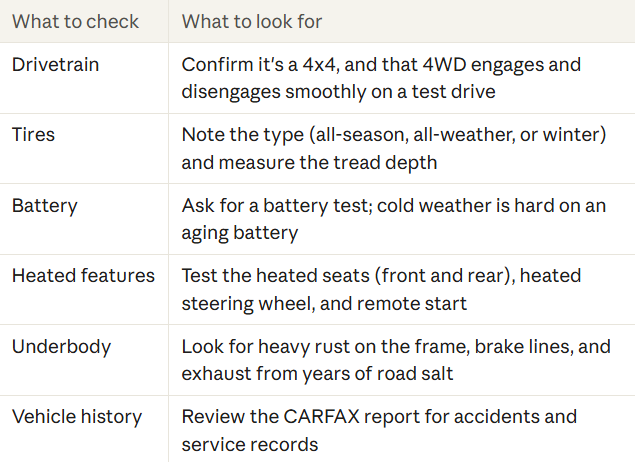
Wondering which model years hold up best? Our guide to the most reliable Ram truck years is a good place to start.
Frequently Asked Questions
Is the Ram 1500 Laramie 4x4 good in snow?
Yes. The Laramie 4x4 combines four-wheel drive, configurable drive modes and an optional anti-spin rear differential with heated front and rear seats and a heated steering wheel. Add 3PMSF-rated winter or all-weather tires, and it handles Western Pennsylvania snow with confidence.
Is four-wheel drive standard on the Ram 1500 Laramie?
Not always. The Laramie is offered with four-wheel drive, but some Ram 1500 trucks are built with rear-wheel drive (4x2). If you're buying for Pennsylvania winters, filter inventory for 4x4 and confirm the drivetrain on the window sticker before you sign.
Which is better for winter: the Hurricane I6 or the HEMI V8?
Both work well in winter. The standard 3.0L Hurricane makes 420 horsepower and 469 lb-ft of torque, while the optional 5.7L HEMI makes 395 horsepower and 410 lb-ft. In snow, smooth throttle control and good tires matter far more than which engine you choose.
Do I need winter tires if my Laramie has 4x4?
Yes, for the best results. Four-wheel drive helps you accelerate, but it doesn't improve braking or steering on ice. The Laramie's factory all-season tires lose grip as temperatures drop. Winter or all-weather tires with the 3PMSF symbol give you noticeably better traction on snow and ice.
Does the Ram 1500 Laramie have remote start?
The 2027 Ram 1500 Laramie includes a remote-start system, according to Ram's window stickers. Remote start lets you warm the cabin and begin defrosting before you get in. On older or pre-owned models, ask our team to confirm how remote start works on that specific truck.
Is a certified pre-owned Ram 1500 Laramie a good winter truck?
Yes, if it's a 4x4 with good tires. A certified pre-owned Laramie gives you inspected quality and program-backed peace of mind at a lower price than new. Before winter, check that 4WD engages smoothly, the heated features work and the tires are winter-ready.
Find Your Ram 1500 for Sale at C. Harper CDJR Mon Valley
C. Harper CDJR Mon Valley is here to help find the right car for you at the right price!