




What Is a Coolant Flush and Do You Need One?
Proudly serving Belle Vernon and Mon Valley communities, C. Harper CDJR is the go-to dealership for new and certified pre-owned high-performance Chrysler, Dodge, Jeep, and Ram vehicles. From the always-popular Chrysler Pacifica minivan and the Dodge Durango SUV to the iconic Jeep Grand Cherokee SUV and the head-turning, ultra-powerful RAM 1500 full-size pickup, our exceptional prices and financing are surpassed only by a dedicated maintenance and service team committed to keeping your vehicle humming.
One of the more popular requests our service department receives is a coolant flush. So, what is a coolant flush? Are coolant flushes necessary, and how often should you flush coolant? All these answers and more are provided below.
Key Takeaways
- The coolant system regulates engine temperature, prevents overheating, and protects components from corrosion.
- A coolant flush drains old, contaminated coolant and replaces it with fresh coolant throughout the entire system.
- Warning signs include an overheating engine, a temperature warning light, dirty or rust-colored coolant, leaks, a sweet smell, or steam under the hood.
- There's no fixed mileage interval — flush timing depends on the manufacturer's maintenance schedule and how the vehicle is driven.
- C. Harper CDJR's service team can inspect and flush the coolant system for Chrysler, Dodge, Jeep, and Ram vehicles.
What is a Coolant System and What Does it Do?
Your vehicle’s coolant system is immediately under the hood of your vehicle. It consists of a radiator, water pump, thermostat, coolant reservoir, and multiple rubber hoses that connect the radiator to the engine.
The water pump is responsible for circulating coolant. It is mounted on top of the engine. The hoses link the radiator to the engine, and the thermostat is positioned between your vehicle’s engine and radiator. All work together to control and maintain your engine’s temperature.
Because your engine generates heat during operation, the coolant system helps to reduce that heat by circulating coolant through the engine and radiator. This process not only prevents overheating, but the coolant’s mixture won’t freeze in cold weather, ensuring reliable cooling year-round. The coolant also has special additives that prevent corrosion for your engine’s components.
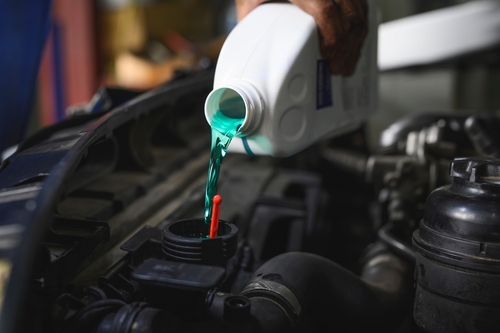
In the end, your vehicle’s coolant system plays a critical role in maintaining an optimal operating temperature for your engine while also protecting your engine’s components.
What is a Coolant Flush?
When the C. Harper CDJR team does a coolant flush, they are essentially draining the coolant from the engine and radiator. Over time, that coolant becomes contaminated with dirt and debris. By completely draining the coolant, our team ensures hoses and pathways are free of the older coolant. However, it’s not just about draining the old coolant but also about flushing it out.
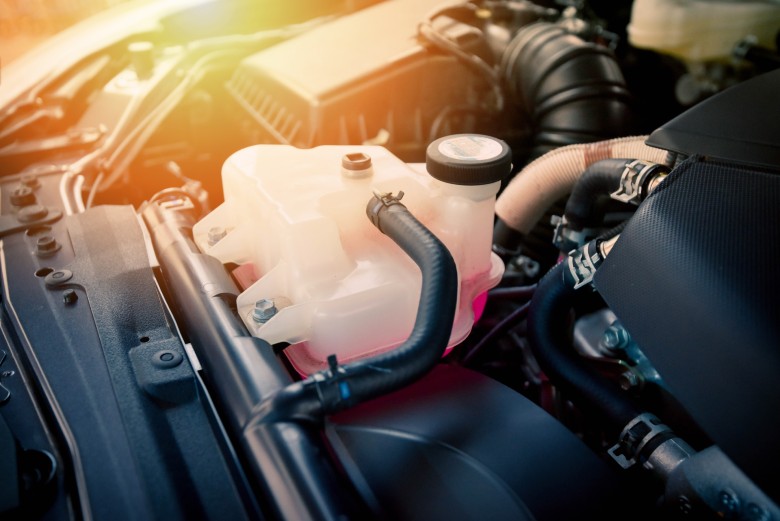
First, our team drains the old coolant from your vehicle’s cooling system and radiator. Second, we connect our coolant flush equipment to your vehicle’s cooling system. Third, we circulate fresh coolant throughout the entire system to remove all the dirt, rust, and contaminants. Fourth, we then refill the entire system with new coolant and remove any trapped air.
Remove Old Coolant from Cooling System and Radiator
Connect Coolant Flush Equipment
Circulate Coolant to Remove Dirt, Rust and Contaminants
Refill Coolant System and Remove Trapped Air
How Do You Know You Need a Coolant Flush?
There are several important signs you should be aware of that could indicate your vehicle needs a coolant flush. Old, dirty, and contaminated coolant means your coolant system may not be able to regulate your engine’s temperature.
If you notice your engine temperature gauge on your dashboard flashing, then your engine may be running hotter than normal. An engine overheating is another sign. If you see any steam coming up from under the hood or even notice a sweet smell, then it could be your coolant needing a flush.
Check for any coolant leaks beneath your vehicle. This can be noticed when you’ve parked. Finally, if you check your coolant in the reservoir and it appears dirty, cloudy, or rusty, it’s time for a coolant flush.
How Often Should You Have a Coolant Flush?
There is no mileage interval when it comes to scheduling a coolant flush. It all comes down to what the manufacturer-recommended maintenance schedule is in the owner’s manual. However, some factors could influence how often you should schedule a coolant flush. This can include the climate you drive in, your driving habits, whether you haul or tow heavy loads, how often you do stop-and-go driving, and the age of your vehicle.
Ultimately, routine maintenance is the elixir to an overheating engine. The C. Harper CDJR team knows exactly how to inspect and ensure your coolant system is functioning properly based on the type of Chrysler, Dodge, Jeep vehicle, and Ram truck you’re driving.
Schedule Your Coolant Flush at C. Harper CDJR Today
At the C. Harper CDJR dealership, our parts, service, and maintenance team know how important it is to help our customers with first-rate service. An exceptionally experienced group, our team of parts specialists, mechanics, and technicians will ensure they answer all your questions while performing the perfect coolant flush as part of your regular maintenance.
If you think your vehicle needs a coolant flush, call our service team today!